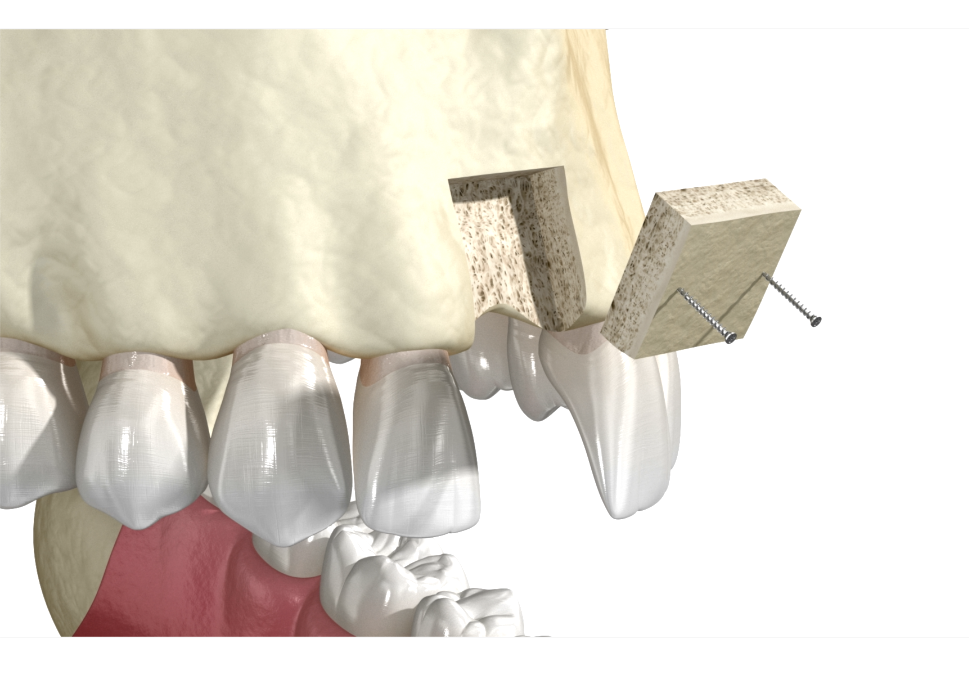
Single Implant (Titanium & Ceramic)
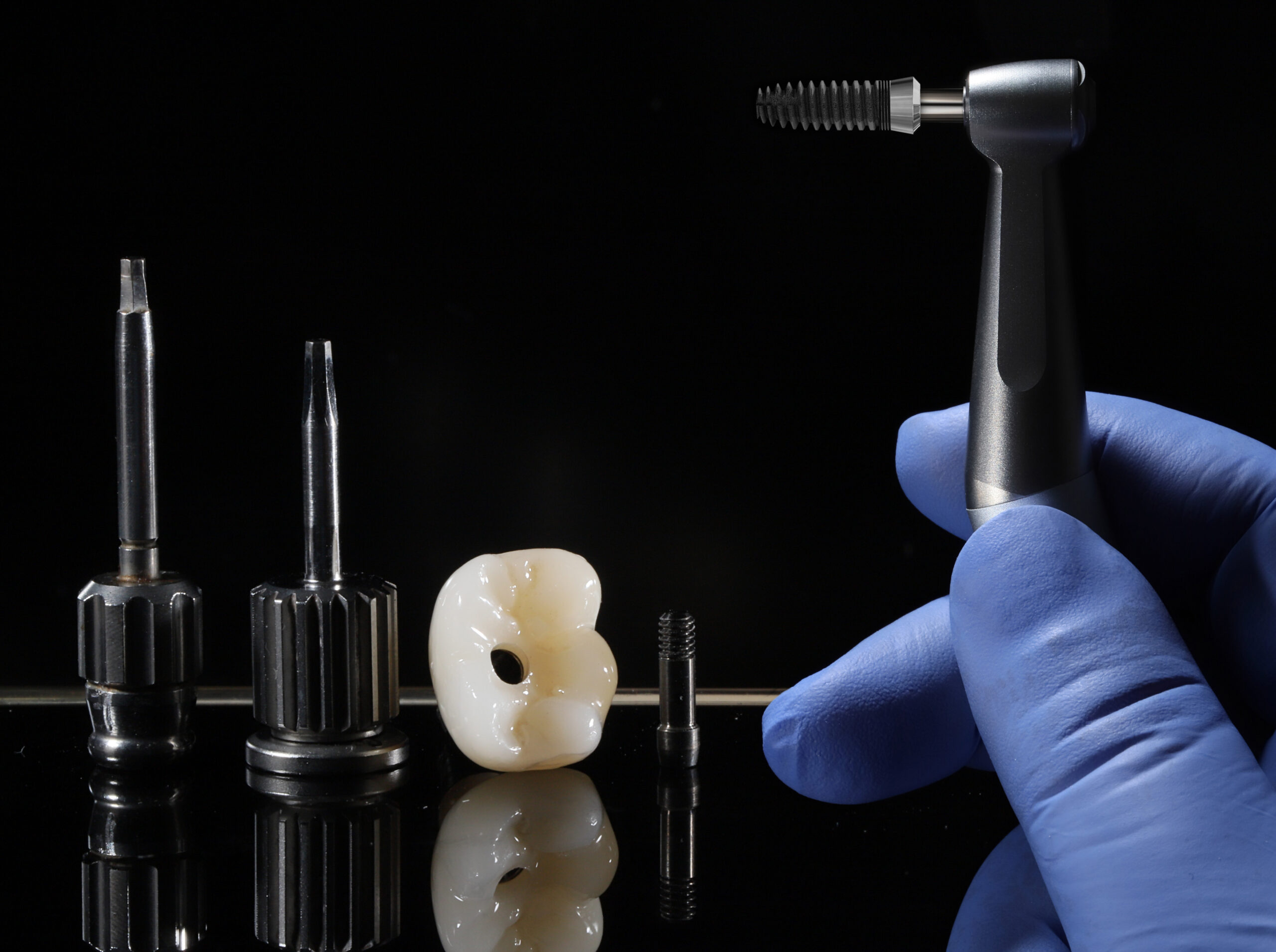
A single missing tooth can be replaced with an implant and a restorative crown. This is the preferred choice over a traditional dental bridge. For a dental bridge, which is essentially 3 crowns permanently joined together, two adjacent teeth nearest to the site of the single missing tooth must be grinded down in order to support it. Choosing the single implant approach potentially eliminates the need to destroying healthy tooth structure that may not be needed otherwise which is required when choosing the dental bridge approach. Unless there are reasons that are indicative for a dental bridge such as, but not limited to, not having the needed space to accomodate an implant or not having adequate bone for an implant, choosing the single implant approach is the best choice to replacing a single missing tooth.
Implant Bridge
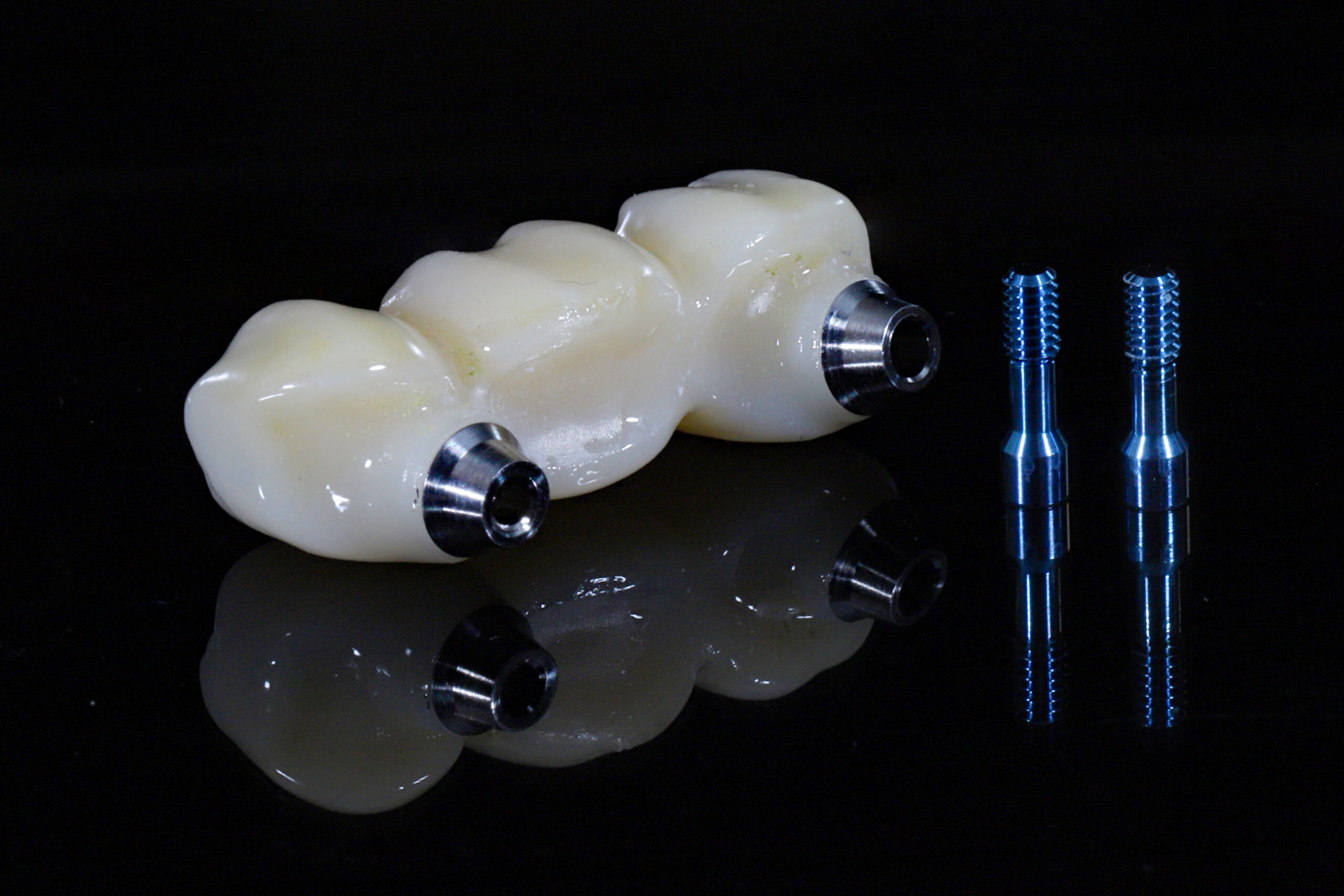
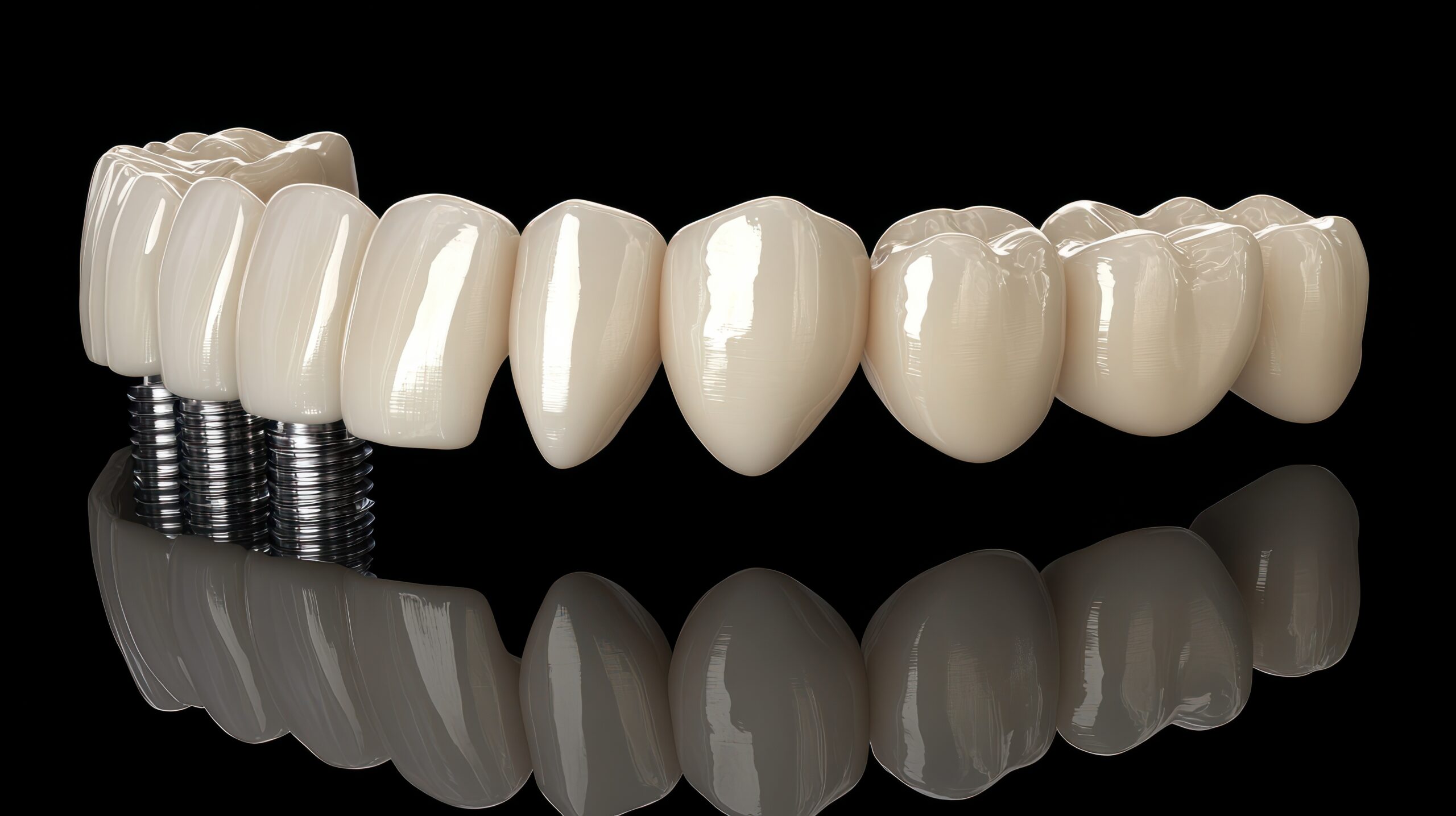
An implant bridge consists of multiple crowns that are permanently joined together and are supported by two or more implants. An implant bridge can be created with many different types of arrangements, multiple number of implants, and multiple number of crowns (which is also referred to as units). Hence, a 3-unit implant bridge is an oral prosthesis that consists of three crowns permanently joined together that is traditionally supported by two implants (as seen on the picture to the left).
Removable Implant Overdenture
A removable implant overdenture is also referred as a “snap-on denture”. This oral prosthesis is essentially a conventional complete denture typically made of acrylic material. The only difference is that an implant overdenture is modified with implant attachments which are made to securely attach to the implants in the mouth. This type of oral prosthesis is both implant-supported and tissue supported when it is worn.
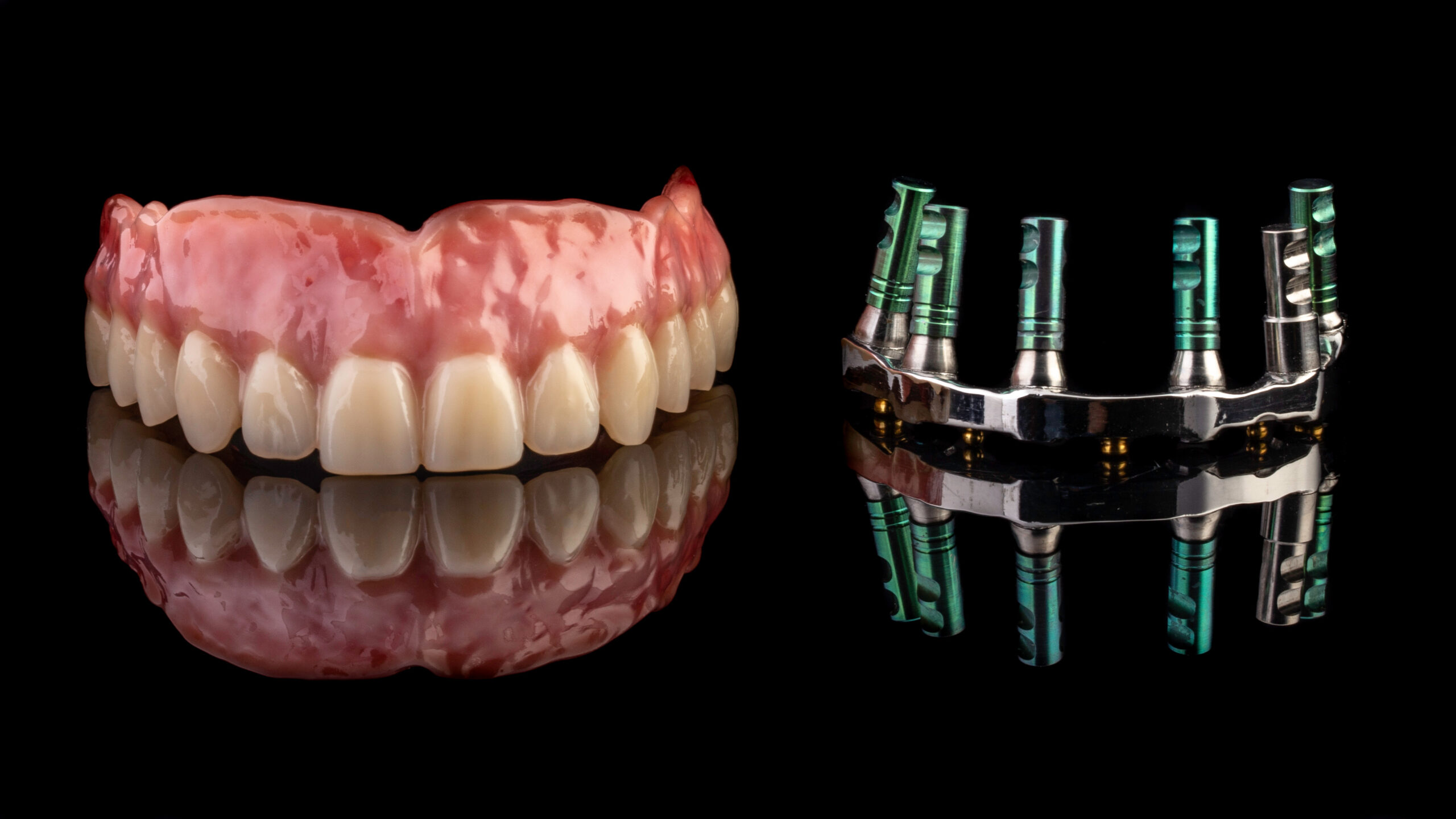
Fixed Detachable Prosthesis
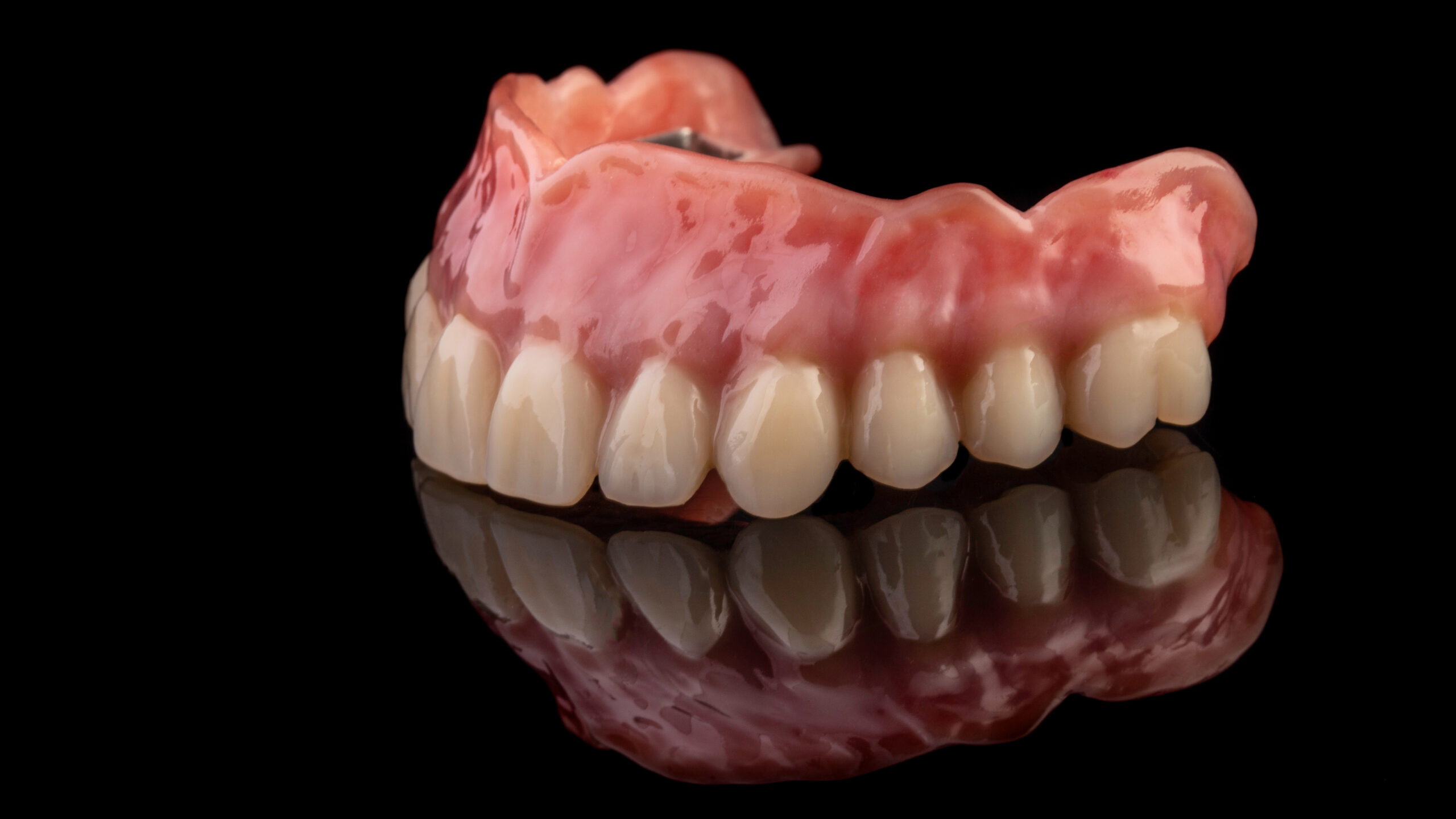
A fixed detachable prosthesis is also a conventional complete denture made of acrylic material and that is also removable. The main difference is in the attachment. The implants in the mouth are all connected to a single fixed connecting bar. This bar acts as a single attachment for the removable oral prosthesis and once connected, it acts as a uniform structure (aka superstructure) which distributes the forces placed upon it a lot more efficiently. As a result, this is a desirable option since it has “best of both worlds” – being removable for easy cleaning and as well as being very strong due to the fixed connecting bar that’s connected to all of the implants and making it all act as one. This type of oral prosthesis is implant-supported when worn.
Fixed Prosthesis FP-3
A fixed prosthesis of FP-3 type is a nonremovable and is typically screw-retained (and sometimes cement-retained). This type of oral prosthesis is very popular due to this one reason (since it is not removable). This option for replacing teeth is often perceived as being more real and feels more natural to many people since this type of oral prosthesis is firmly fixed in the mouth. Unfortunately, for people that may not have good oral hygiene habits, this type of prosthesis takes more effort for cleaning compared to a removable oral prosthesis which can be easily removed and cleaned. But if the wearer is deligent with their cleaning efforts, then this type of oral prosthesis is considered as the “gold standard” when it comes to a full-arch implant prosthesis due to its many benefits that it offers including the stronger materials that it can consist of as oppose to a full acrylic material that is inherent for a removable implant prosthesis. This type of oral prosthesis is implant-supported when worn.
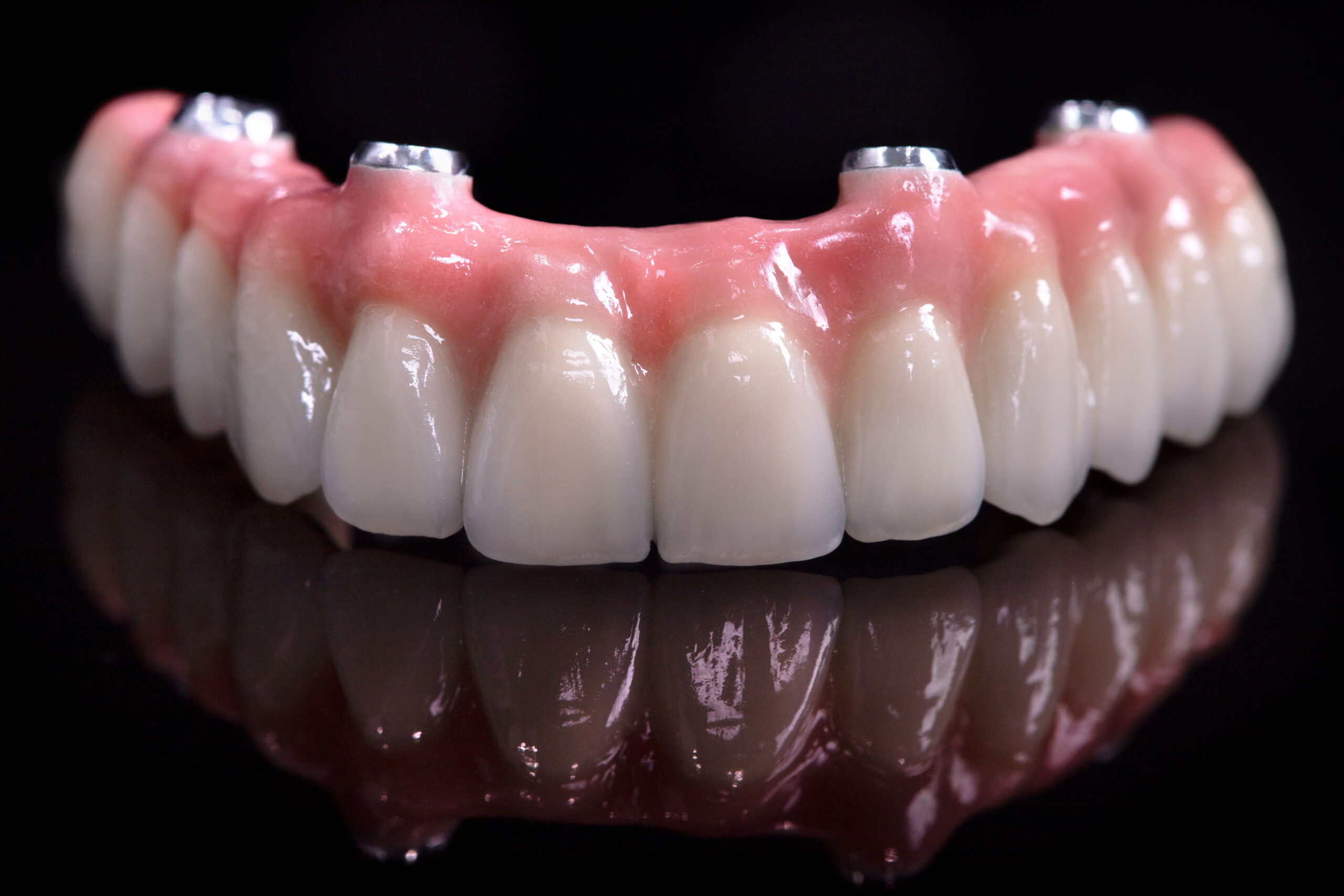
Fixed Prosthesis FP-1
A fixed prosthesis of FP-1 type is essentially the same as an fixed prosthesis FP-3 type with only a few differences. The main difference is that, unlike for a FP-3 type, this type of oral prosthesis replaces the missing teeth only and does not replace any of the defficiencies or defects pertaining to the gums or bone (does not include artificial gums). One of the other differences is that the FP-1 type is available only in the material of full zirconia (the strongest material available at the current time). Moreover, the FP-1 type can also be preferred over the FP-3 type by many individuals since this type of oral prosthesis requires no bone reduction in the mouth thus preserving the natural gums and blending them in the appearance with the implant teeth. But in order to do so, the criteria is that there must be an adequate amount of bone volume that is available in the mouth. Therefore, although preferred by many people, not everyone may be a candidate for this type of oral prosthesis due to it’s criteria for bone availability and in addition to patient compliance from the possibility of additional procedures needed, potential elevated costs, and a higher surgical skill set requirement needed from the provider. This type of oral prosthesis is implant-supported when worn.
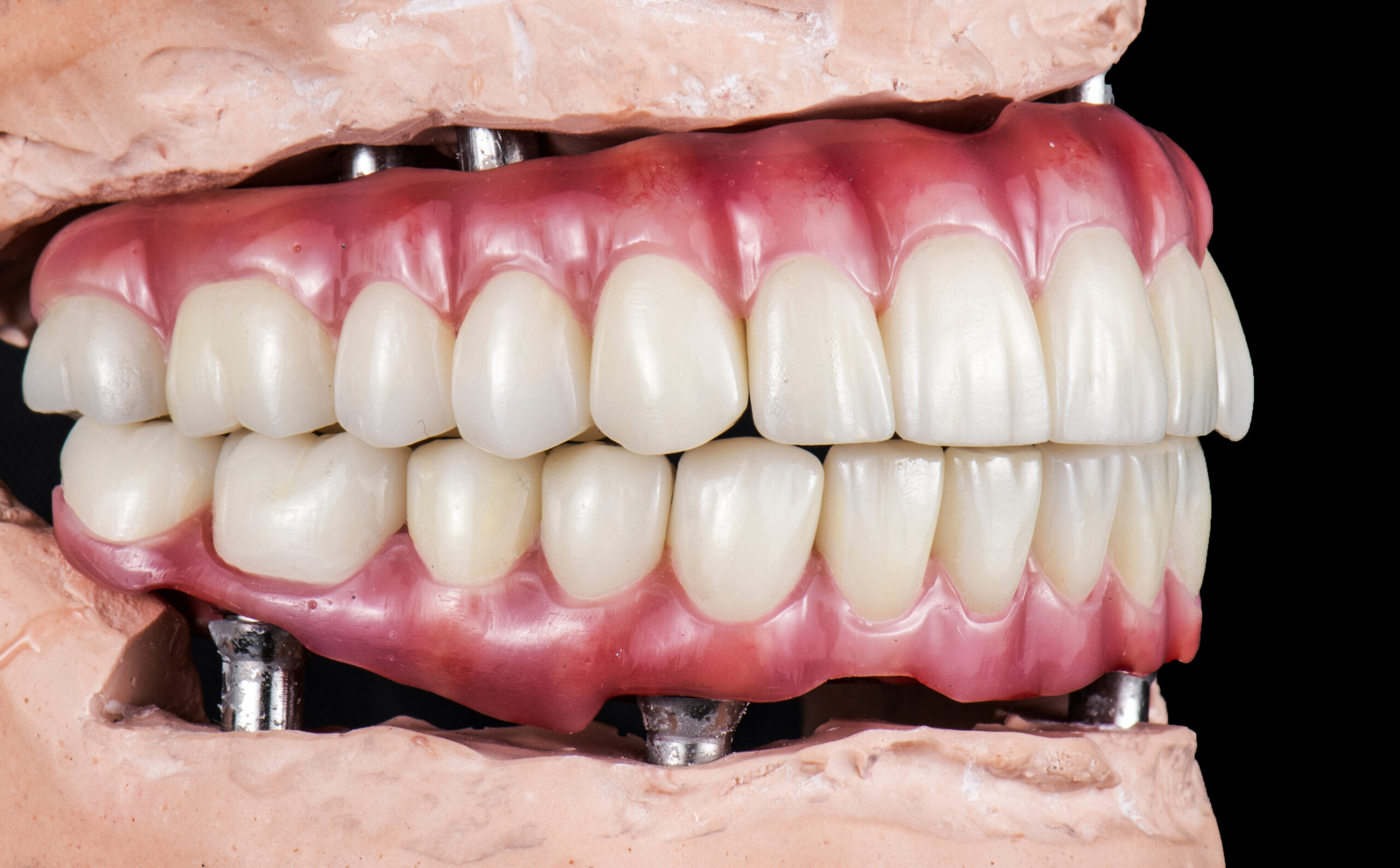
Full-Mouth Implants
This is simply both an upper and lower full-arch implant prosthesis which could consist of any of the above-mentioned oral prostheses that are combined in the mouth.
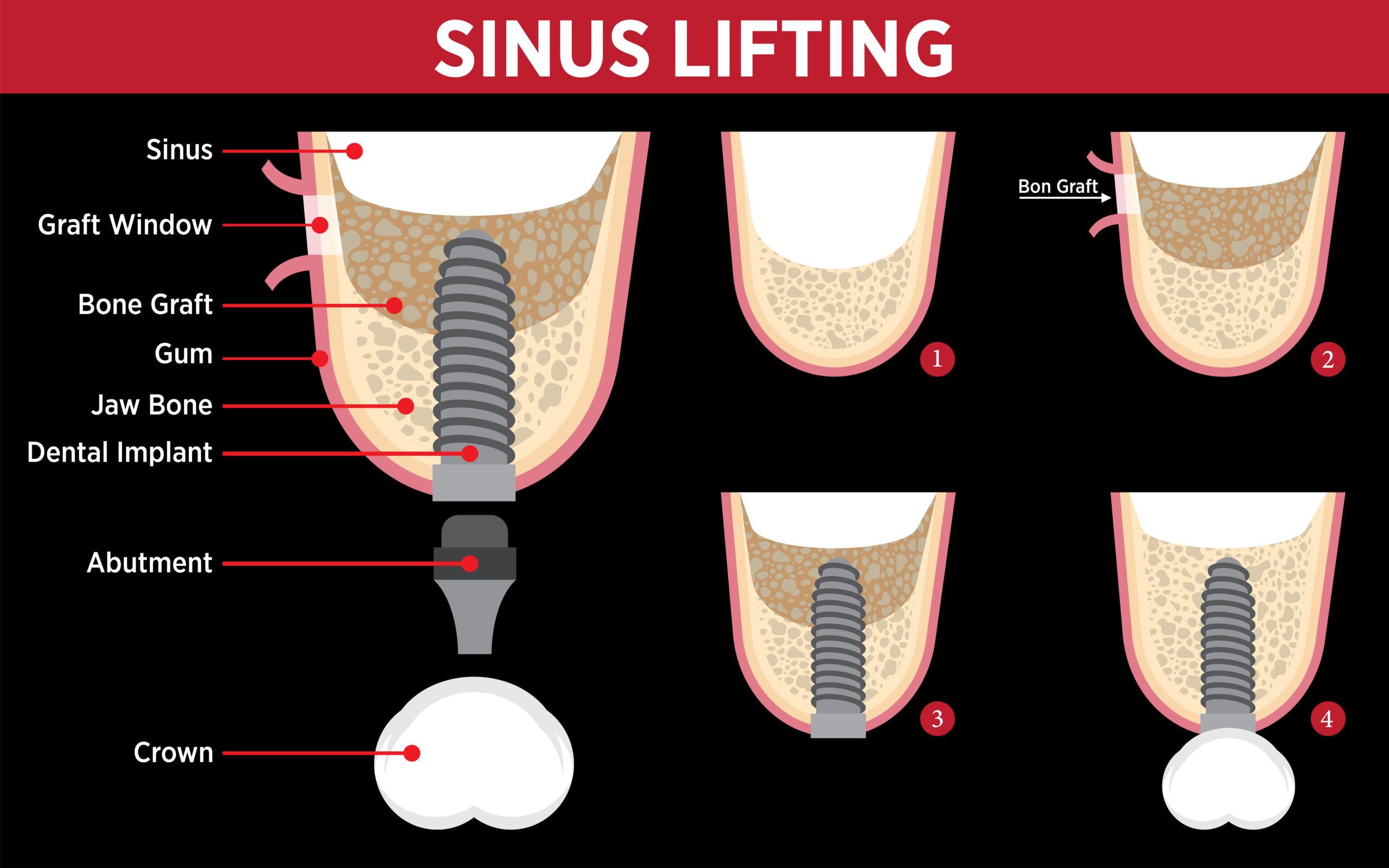
Sinus Elevation
When there is a lack of bone for implants in the upper side of the mouth in the back area, a sinus elevation (aka sinus lifting) procedure can be performed to increase the height of the bone to support the implants. Once healing has occurred and new bone has formed as a result of the procedure, the implants are connected to implants crowns and are ready to be in function and used.
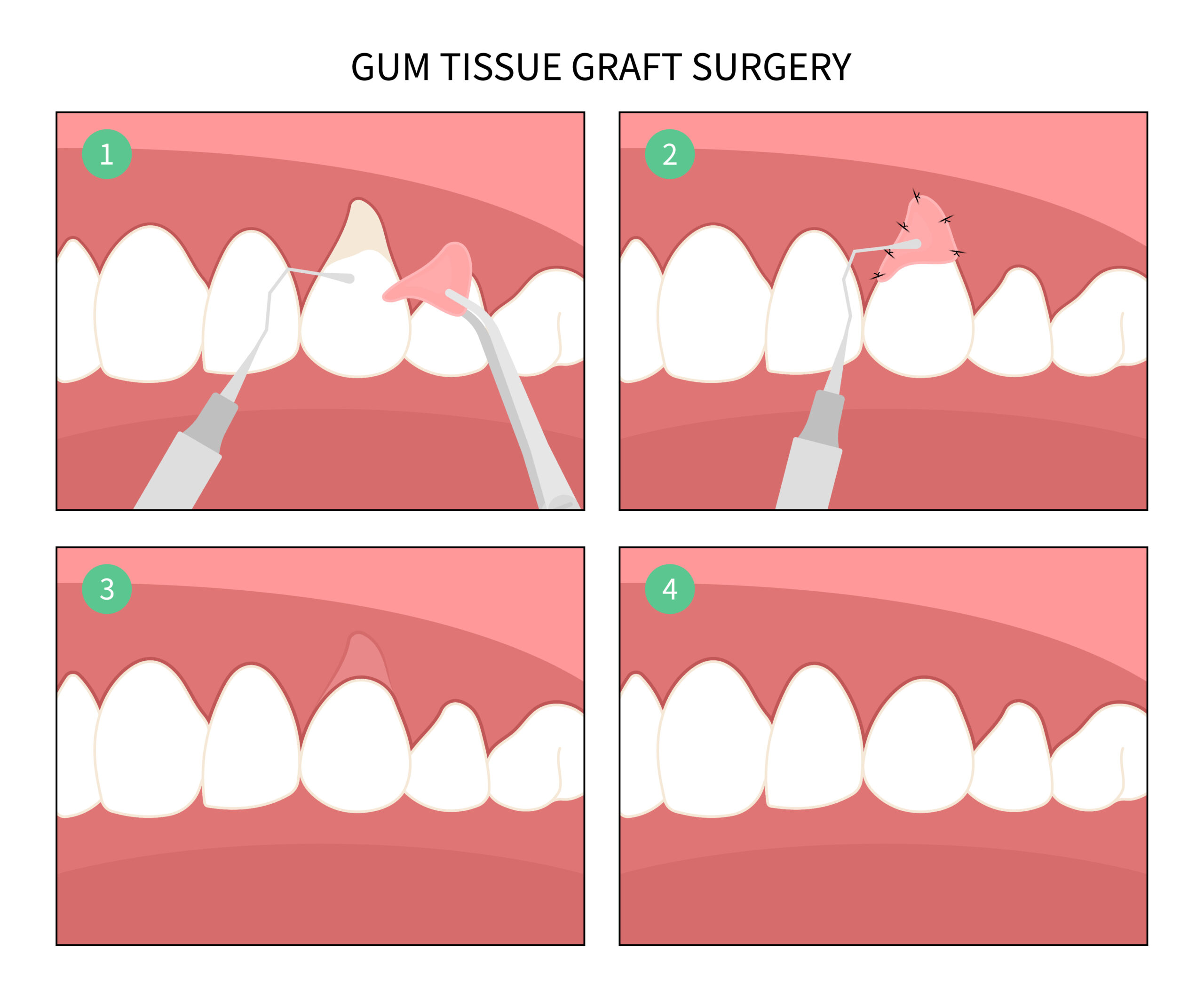
Gum Grafting
Gum grafting can be performed to enhance the esthetic results around teeth and implants as well as to improve the health and longivity around them.
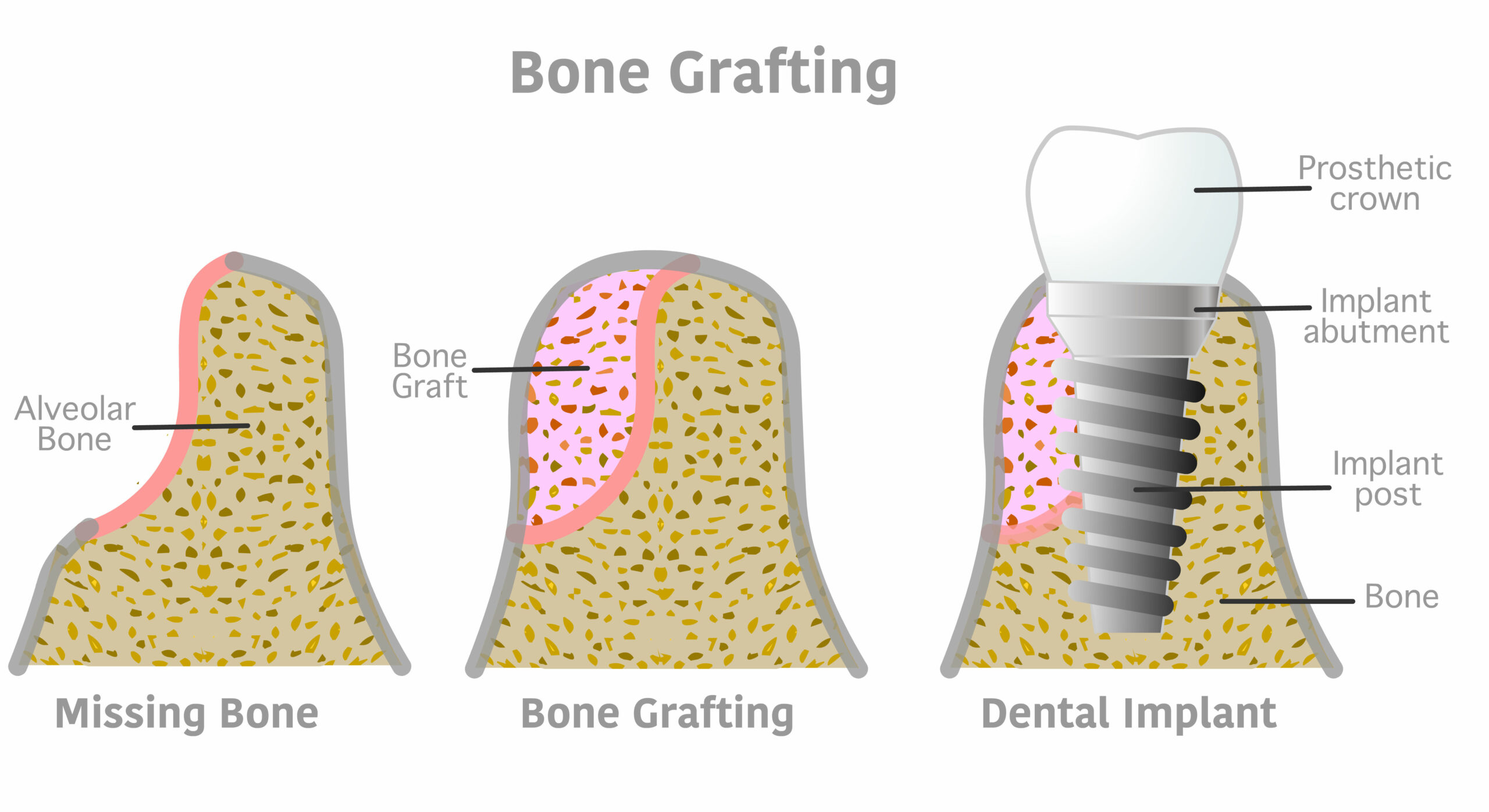
Bone Grafting
Bone grafting is performed when there is insufficient bone that’s needed for implants.
Bone Augmentation
More specialized bone grafting procedures can be performed to provide the necessary bone that’s needed for implants.